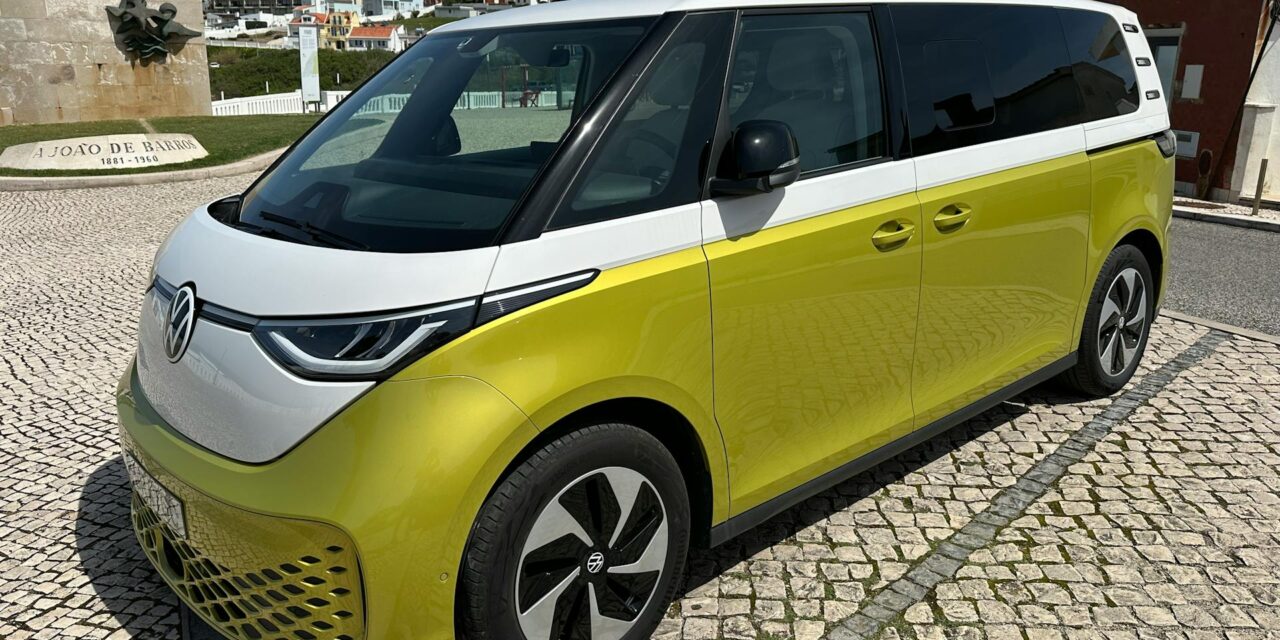
Volkswagen has unveiled its ambitious robotaxi program in Hamburg, marking a crucial strategic shift in the global self-driving landscape to close the autonomous driving gap.
The program indicates three critical strategic implications for the automotive sector. Volkswagen’s collaboration with Mobileye, Intel’s autonomous driving unit, represents a pragmatic approach to accelerating technological development while managing costs. Second, the initiative highlights a growing regional divergence in autonomous vehicle deployment strategies. While U.S. companies like Waymo have accumulated years of real-world experience with fully driverless operations, and Chinese firms have rapidly scaled their services, European players are taking a more measured, regulation-conscious approach. The third and perhaps most significant implication lies in Volkswagen’s business model innovation. Unlike previous autonomous vehicle ventures that focused on developing proprietary technology, VW is positioning itself as a complete solution provider, offering both the vehicle (ID.Buzz AV) and the operational platform (Moia) as a package to transport providers. This approach could create a scalable revenue stream while reducing the financial risks that led to the demise of projects like Argo AI and GM’s Cruise.
Looking ahead, Volkswagen’s strategy presents both opportunities and challenges. The company’s production-line approach to manufacturing autonomous vehicles could potentially deliver cost advantages over retrofitted solutions used by competitors. However, the success of this venture will largely depend on the company’s ability to achieve technical parity with established players like Waymo, particularly in complex urban environments where (very old) European cities present unique challenges. The strategic outlook suggests a potential reshaping of the autonomous vehicle landscape over the next 24-36 months, with planned deployments in Los Angeles by 2026 and European cities by 2027. VW’s focus on “scaling at the speed of trust,” as articulated by Moia CEO Sascha Meyer, indicates a balanced approach between aggressive expansion and sustainable growth. However, one needs to consider that Moia is not a new company. The VW-backed venture is active for quite some time, but is not close to the success of its U.S. and UK competitors.
For the broader automotive industry, this development signals that the autonomous driving race is entering a new phase where success may be determined not by who has the most advanced technology, but by who can most effectively integrate autonomous capabilities into sustainable business models while maintaining public trust and regulatory compliance. The future will tell whether VW is able to catch up the large headstart of Waymo and Chinese firms.
The post was written in collaboration with our automotive copywriter agent (based on Claude Sonnet 3.5). Find Der WSJ’s article here.